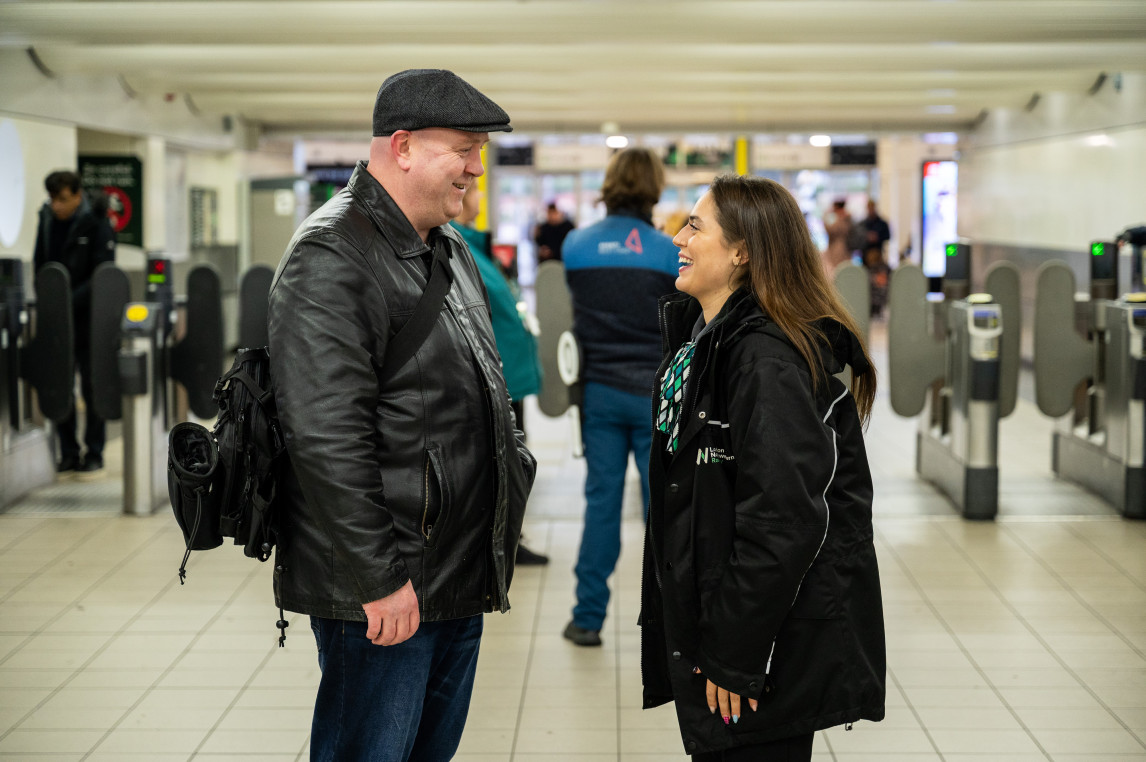
This week, London Northwestern Railway are proud to be supporting Neurodiversity Celebration Week. We’re proud to support our Neurodiverse customers and colleagues, and we work hard to ensure that everyone feels safe and comfortable when travelling with us.
Neurodiversity refers to the different ways our brains work and interpret information. It highlights the fact that people naturally think about things differently. We have different interests and motivations and are naturally better at some things and poorer at others. However, these differences can present barriers to the way people engage with society.
More than one in 100 people are autistic, and there are at least 700,000 autistic adults and children in the UK. The presence or visibility of characteristics can vary a lot between autistic people. This can also change over time, in different situations or if the person is masking. It is important not to make assumptions about an individual autistic person’s skills, abilities or support needs.
Neurodiversity covers a range of differences, including (but not limited to) Dyslexia, Autism and ADD/ADHD to name just a few.
Introduction of sensory packs
Our accessibility team have introduced sensory packs to provide some assistance in managing sensory sensitivities and to create a more comfortable journey for our neurodivergent customers, particularly when experiencing stress and anxiety whilst travelling.
The Sensory Pack bags contain:
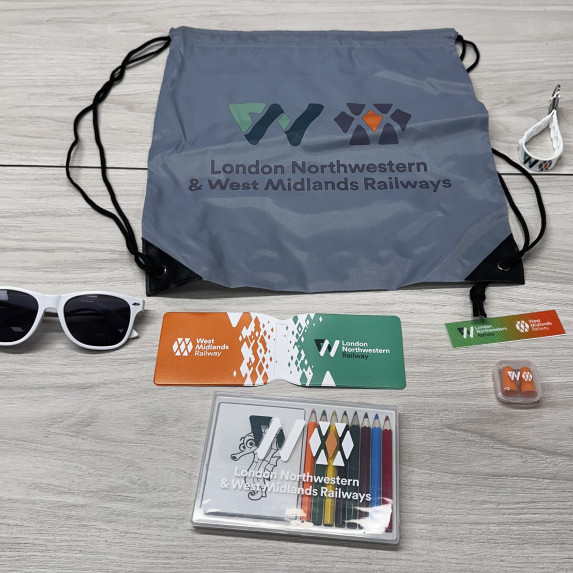
• Foam Ear Plugs – To help to reduce sounds such as the train humming, chatter, and other environmental sounds, helping to reduce sensory overload.
• Sunglasses – Designed to minimise glare and bright lights, which can cause overstimulation and pain.
• Colouring Set - Offers a calming, structured activity that promotes mindfulness and emotional balance.
• Fidget Strip – A discreet tactile tool that helps regulate stress and maintain focus.
• Pop-it Keyring – A portable sensory keyring, aiding anxiety relief and sensory regulation.
• Ticket Wallet – The ticket wallet keeps travel documents organised and easily identifiable.
Travel support cards and lanyards
We offer a range of Travel Assistance Cards which are free for anyone who may need that extra bit of help. The card can be useful for people with learning difficulties, memory loss, hearing impairments, or to support communication. These can be ordered for free on our website here.
We support the Just A Minute (JAM) card scheme, which allows people with a learning difficulty, autism or communication barrier tell others they need ‘Just A Minute’ discreetly and easily. We also offer priority seating cards, which can be used to discretely identify that you need access to a priority seat onboard. Priority seating is located near to the doors onboard all our trains, and whilst anyone can use the priority seats, we would expect those that do not need to use them to give up their seat for someone who needs them.
Furthermore, we support the sunflower lanyard scheme, which is a discrete way to identify to our teams that someone has a hidden disability and may need some extra assistance when travelling with us.
Journey planning notepads

Some neurodivergent customers may also benefit from details being written down to help them process information and for their sequential following of written communication. We’ve introduced notepads at our stations; allowing station staff to write down information in a clear format.
The back of each page contains further useful information on how to book passenger assistance via telephone, how to contact our Customer Relations team, a URL address to our Accessible Travel Policy, QR codes for downloading the Passenger Assistance app and the Assisted Travel Survey
How to support someone who is neurodiverse
We’ve created some key tips on how to support any neurodiverse individual that you may be travelling with, or who may need a bit of extra help.
- Plan ahead – having a plan can offer reassurance. From knowing what service they need to catch, what platform this would depart from (if the information is available in advance – at some larger stations this information is only announced before departure) and where they can find assistance.
- Allow extra time – arriving at the station early avoids unnecessary stress and allows time to process information such as where the platform is and to find further assistance if needed.
- Be clear and patient – offer information in a simple, step by step format, but make sure to include key details (e.g. advise they need the 11:03 train on platform 2 rather than saying their train is just after eleven)
- Reduce sensory overload – railway stations are busy, noisy environments – especially at major stations during busy peak hours, or during periods of disruption. Most larger stations have a waiting room, or even a dedicated space at major interchanges, which provides a calmer environment to wait for a service.
- Be supportive when things go wrong – no one likes delays and changes, however for a neurodivergent person, small changes like a last-minute platform alteration can be especially stressful. Be supportive and reassuring, and take time to help replan their journey, or sign post them towards our teams who are more than happy to assist.
Actively championing neurodiversity
London Northwestern Railway actively champion neurodiversity through a blend of policy, training, and practical support designed to make both the workplace and the passenger experience more accessible. We deliver mandatory inclusion and accessibility training helping colleagues understand how to communicate clearly and reduce cognitive load for customers. We also participate in the Sunflower Lanyard scheme, enabling neurodiverse passengers to discreetly signal that they may need more time, clearer instructions, or additional support.
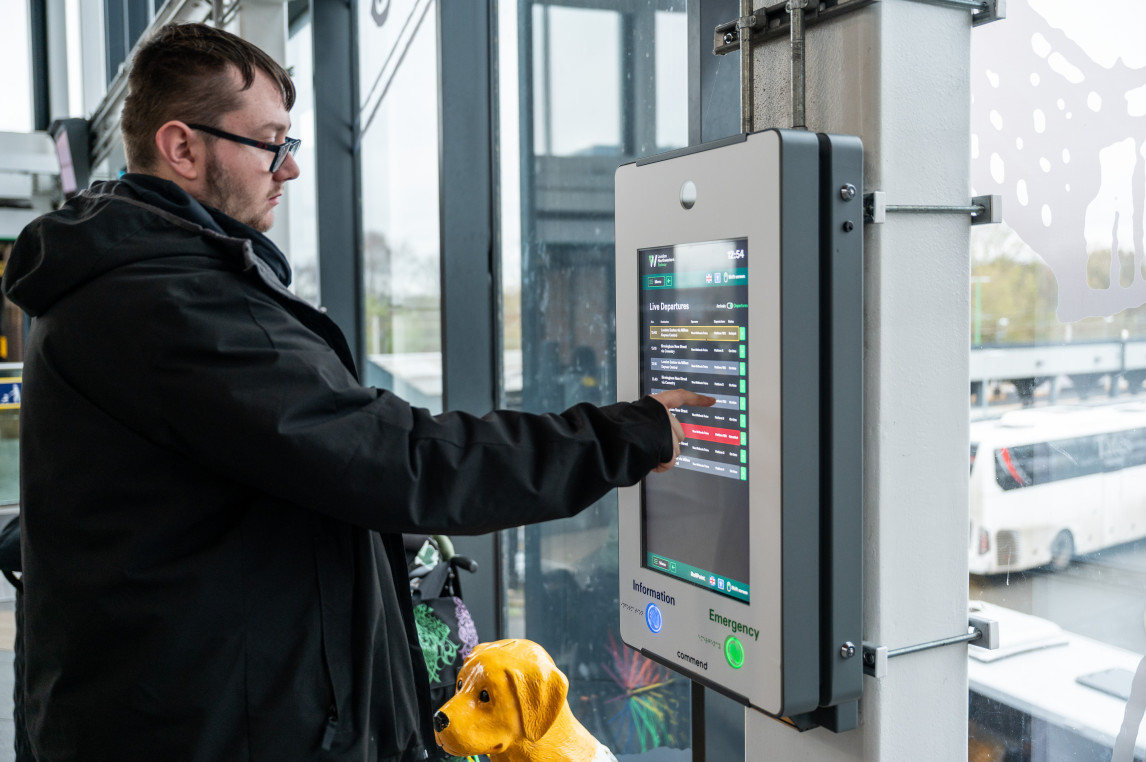
Stations across the network offer calmer travel options, such as off‑peak journey guidance and quieter spaces, and customer information is increasingly designed with plain‑language principles and intuitive technology to support those who process information differently. Internally, colleagues can access tailored workplace adjustments, neurodiversity‑aware recruitment practices, and employee networks that promote peer support and awareness.
Together, these initiatives reflect a wider commitment to embedding FREDIE principles (Fairness, Respect, Equality, Diversity, Inclusion and Engagement) into everyday operations and ensuring that neurodiversity is recognised, respected, and supported across the organisation.
To find our more about diversity and inclusion within our organisation, click here: Diversity and Inclusion | Corporate Social Responsibility