Menopause isn’t just a women’s issue. It’s a mental health issue too.
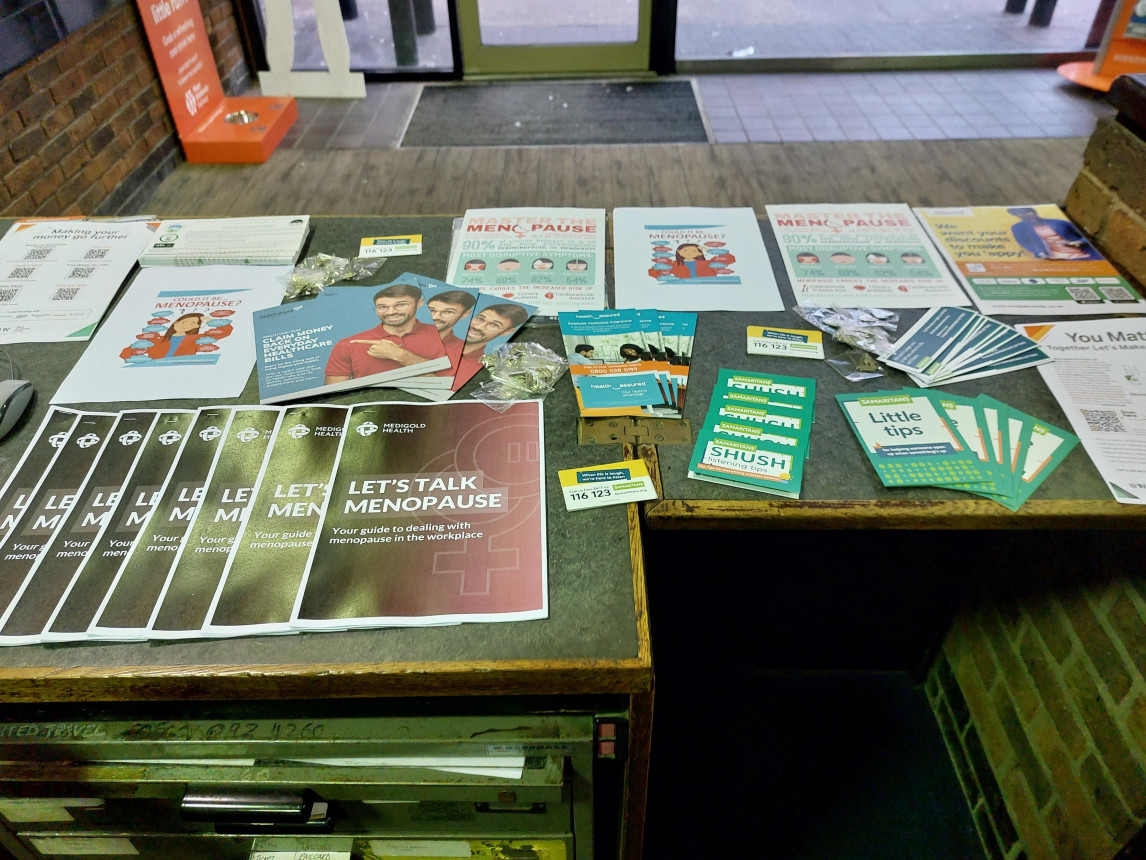
On Friday 17 October, colleagues across our network came together for a series of Menopause & Mental Health drop-in sessions, run in partnership with The Samaritans, held ahead of International Menopause Awareness Day on 18 October.
The aim was simple but significant: to start open conversations about how menopause affects emotional wellbeing, confidence, and daily life, and to make sure those conversations include everyone.
Why this matters for the railway
Women make up 51% of the population within the UK, yet represent only around 16% of the rail workforce.
That means one in six railway colleagues may experience menopause during their career, often while working in high-pressure, safety-critical or customer-facing roles.
Across the UK, almost three in four people who have experienced menopause say their symptoms have affected them at work, and over half report anxiety, low mood or depression.
Behind those statistics are real people: colleagues who feel foggy during briefings, drivers struggling with fatigue, or team members worried about concentration and confidence.
This is why awareness matters.
When we talk about menopause openly, we protect mental health, improve safety, and strengthen teams.
“I swear I’m losing my mind…”
Words which many women say with a laugh, but often there is truth behind it.
Brain fog, forgetfulness, disrupted sleep and sudden anxiety can make people feel like they are not themselves. Without understanding or support, that can spiral into stress, frustration and even depression.
One colleague shared:
“I used to joke about it all the time, but inside I was terrified something was wrong with me. Realising it was menopause, and that others felt the same, was such a relief.”
When workplaces normalise these conversations, those jokes become entry points for empathy instead of quiet cries for help.
Understanding the intersection of menopause and mental health
The relationship between menopause and mental health is complex and deeply human. Hormonal changes can influence mood, energy and emotional regulation, increasing vulnerability to anxiety, irritability and depression. But those changes rarely happen in isolation.
Menopause often arrives at a stage of life already full of competing pressures — balancing careers, caring responsibilities, and shifting family dynamics. For some, there are added financial or health stresses. For others, the weight of stigma and misunderstanding makes it harder to talk openly or seek help.
For those who experience early menopause or premature ovarian insufficiency, the emotional toll can be even greater. These colleagues may feel disconnected from peers, grieve the sudden change in fertility, or struggle with a sense of isolation due to a lack of awareness and representation. Without understanding from others, early menopause can carry feelings of loss, confusion and invisibility that are rarely acknowledged.
Then there are those who may not personally experience menopause but are living alongside it — partners, children, colleagues and friends trying to understand what is happening but unsure how to help. This lack of shared language and education can lead to frustration on all sides and a growing sense of emotional distance.
Research shows that:
Over 50% of people experiencing menopause report anxiety or depression.
Around 73% say symptoms have affected them at work.
Women aged 45 to 49, the most common age group for menopause, have the highest female suicide rate in the UK (7.8 per 100,000).
Behind every statistic is someone doing their best to show up, perform and stay positive while their body and mind navigate change. Recognising those intersections — biological, emotional and social — is the first step to offering meaningful support.
Creating space for honesty
The drop-ins, supported by The Samaritans, offered colleagues a chance to share experiences, ask questions and learn practical ways to support others.
Discussions touched on everything from coping with anxiety and mood changes to being an ally, listening without judgement, offering flexibility and challenging stigma.
These were not formal presentations. They were real, human exchanges; moments where someone could say, “I thought I was the only one.”
Mental health, at work and beyond
Talking about menopause isn’t just a workplace wellbeing initiative. It is suicide prevention, inclusion and culture change combined.
When someone understands what they are going through — and feels safe enough to talk about it — the ripple effects go far beyond their job. They might finally open up to their partner, seek medical help, or simply stop feeling so alone.
Awareness in the workplace builds empathy at home, and that empathy helps create healthier, more supportive communities.
If you need support
If you are struggling with your mental health or simply need to talk, The Samaritans
are available 24 hours a day on 116 123.
Calls are free, confidential and open to anyone.
Colleagues can also access confidential wellbeing support through Occupational Health and the Employee Assistance Programme.
Further Help & Resources
If you would like to learn more about menopause or find support for yourself or someone you know, these trusted organisations offer practical advice, information and community connections:
The Menopause Charity
Dedicated to providing clear, evidence-based information for anyone affected by menopause — including individuals, partners, families and employers. Offers free resources, symptom guidance and workplace support tools.
Daisy Network
A UK charity supporting women experiencing premature ovarian insufficiency (early menopause). Offers one-to-one support, peer forums and medical information specific to early menopause.
Women’s Health Concern
The patient arm of the British Menopause Society, providing independent health advice, downloadable factsheets and a dedicated Menopause Wellness Hub.
British Menopause Society (BMS)
A leading authority on post-reproductive health in the UK. The BMS provides reliable, clinically reviewed information for both healthcare professionals and the public.
Menopause Café
A not-for-profit community movement encouraging people to gather, share experiences and talk about menopause openly in a relaxed, supportive environment.
Samaritans
Available 24 hours a day, 365 days a year. Call 116 123 for free, confidential support if you are struggling or need someone to talk to.
Moving forward together
By linking menopause and mental health in the same conversation, we are reducing stigma, building empathy and making the railway a safer, kinder place to work.
When we understand what someone else is going through, we do not just make better colleagues.
We make better humans.